
You may have heard of this but what is it and why is it important for dog owners?
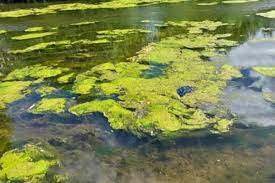
Cyanobacteria, or blue/green algae is a normal common microorganism that appears in our waterways. Like many water algae, they thrive in still or slow moving water such as ponds, lakes and very slow rivers. When our weather warms up and there is plenty of sunshine, then these bloom and grow to change the colour of the water to a green or brown colour. It may appear in patches, or long lines of colour and the water is less clear than normal.
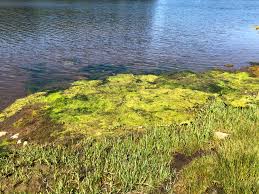
You may also see scum or froth on the edges, and this is quite normal for the algae. The pond or lake may have a musty smell to it, again from the bacteria.
But when the algae is prevalent, the even the smallest lick of this algae can be fatal to dogs.
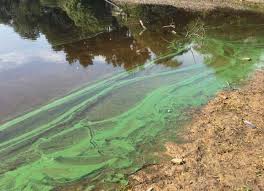
There can be froth on the edges too
Symptoms can appear from within 10 mins to a few days and range from dribbling, lethargy, vomiting, bloody diarrhoea, convulsions and organ failure. Even licking this off their fur after paddling, or carrying a ball that has landed in the water can kill your dog.
It may be really tempting to let your dog jump in a lake on a hot day, but think twice about this. The last thing you need is an emergency dash to the vets. There is no cure to the poisoning, just oxygen, a drip and a huge helping of luck.
Before you pack your dog off in the car to find the nearest water for them to play in, do your research first. Has the lake or pond have a history of blue/green algae in the past, and have there been any social media comments about the place that can give you updates before you visit? A faster flowing river has less chance of algae, but that can actually be more dangerous for dogs due to the currents.
If you want to walk your dog on warmer days, ditch the splashing and head to the nearest dense woods instead – the shade is cooler. Then set up a shallow paddling pool at home for them to cool off in.